Posted: 14 April 2026
From London's iconic yellow stocks to the deep reds of the Midlands — everything you need to know about choosing, matching, and understanding brick colours across the United Kingdom.
Brick Colours in the UK: The Complete Guide
Walk through any city in the UK and you notice that you are walking through a constructed history of local geology. The warm reds of a Manchester terrace, the pale yellows lining a London street, the dark multi-tones of a Yorkshire farmhouse, brick colour in the UK is far more varied and meaningful than most people realise.
Whether you are planning a new build, a renovation, extending your home, or simply curious about the character of British architecture, this guide covers everything you need to know about brick colours in the UK.

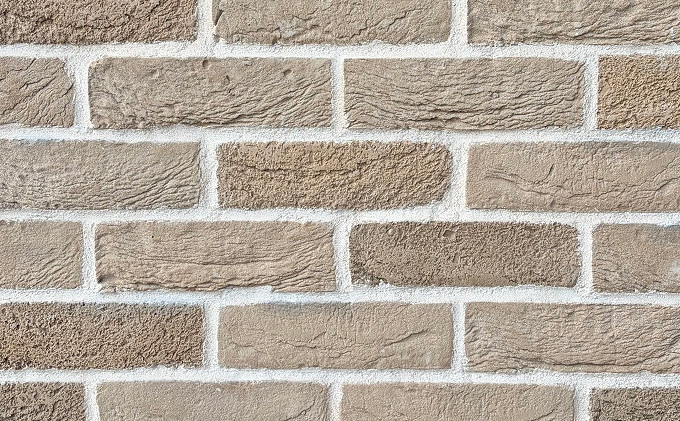
Brick Type: Farmhouse Antique
What determines brick colour?
1. The clay
Clay is the key ingredient in the manufacturing of bricks, and its mineral composition determines the brick's core colour — what you would see if you cut the brick in half. Iron-rich clays produce red and orange tones when fired, while clays high in chalk and lime yield the buff and yellow shades associated with southern England and London. The distribution of clay types across the UK is the primary reason different regions have their own characteristic brick colours.
2. Surface treatments
Before firing, manufacturers can apply sand, mineral pigments, and engobes (liquid clay coatings) to the surface of a brick to modify its final appearance. These treatments allow for a far wider range of colours than clay alone would produce — including consistent greys, blacks, and creams that would be difficult to achieve purely through clay selection and firing.
3. Kiln atmosphere
The conditions inside the kiln during firing have a significant impact on the outcome. An oxidising kiln environment (rich in oxygen) typically produces brighter, more consistent reds and oranges. A reducing atmosphere (lower oxygen) can darken bricks or shift colours toward blues and purples. Bricks fired at extremely high temperatures can vitrify, producing the dark blue-black surface of engineering bricks like the famous Staffordshire Blue.
The most popular brick colours in the UK
The UK market offers a remarkably wide palette. Below are examples of the most common brick colours you will encounter.
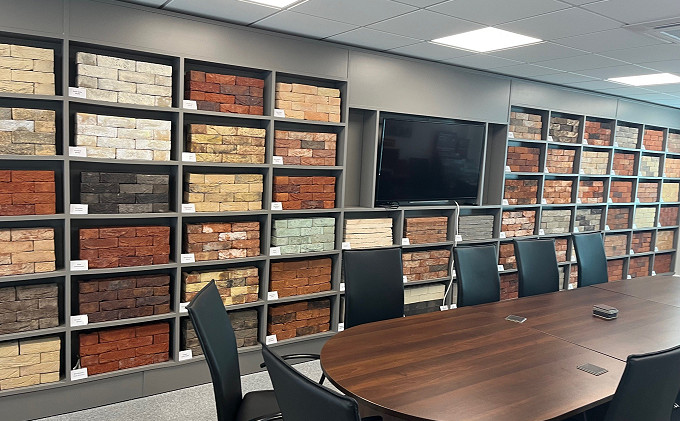
You can explore the full range of colours available in our extensive brick selector.
Red - The most widely used brick colour in the UK. Classic for Victorian, Edwardian, and Georgian homes as well as for contemporary new builds.

Red Brick Types: Westley Red, Traditional Red Blend, Alton Red Multi
Yellow/Buff - Iconic in London and East Anglia. London Stock bricks are the most famous example — a pale, warm yellow from chalk-rich clay.

Buff/Yellow Brick Types: London Weathered Yellow, Gault Stock, Tamisa
Grey - A surging modern choice. Sleek and contemporary, grey bricks suit new builds, commercial projects, and feature walls

Grey Brick Types: Lava, Normandy Grey, Urban Grey Multi
Buff/Cream - A warm, mid-tone between yellow and brown. Common in the East Midlands and Cambridgeshire, and popular in modern housing estates.

Buff/Cream Brick Types: Shelford Cream, Olde English Buff Multi, Cromwell Buff
Orange - Found frequently in the South East, particularly Kent and Sussex. Vivid and characterful, iron-rich clay fired at high heat.
Brown/Multi - Characteristic of Yorkshire and the North East. Blended from multiple clay types — dark, rich, and hard to replicate exactly.
Blue/Black - Engineering bricks, most famously Staffordshire Blue. Produced by vitrification at extreme temperatures. Extremely durable.
Pastel/Pale - A growing trend in the brick industry. Pale reds, soft creams, and sandy tones creating a softer, more contemporary aesthetic.

Brick Types: Fine Handmade Textured Orange, Volcano, Valencia Black
Regional brick colour guide
One of the most fascinating aspects of British architecture is how brick colour shifts as you travel around the country. Before the industrial revolution and the expansion of the railways, bricks were made using local clay — meaning the buildings in any area were literally made from the ground beneath them. Even today, planning authorities in many areas require new builds to use bricks that match the local architecture.
London & South East historic brick colours - Yellow/Buff. Chalk and lime-rich brickearth from the Thames valley produces the iconic London Stock yellow. Low iron oxide means no red tones. Two bricks from our range that have proven especially popular in the London area are the Mystique and the London Weathered Yellow.

Mystique in London
Midlands & North West historic brick colours - Deep Red & Orange. High iron oxide content in Midlands clays, particularly Etruria marl in Staffordshire, produces bold reds and oranges. Staffordshire is also famous for its blue engineering bricks.
The Brookmill Blend has proven popular for self build and housing projects in the Midlands.

Brookmill Blend in the Midlands.
Yorkshire & North East historic brick colours - Brown/Dark Multi. Clay sourced from multiple deposits, combined with varied firing methods, created the distinctive dark, blended palette of the north. Difficult to replicate in modern manufacturing.
Popular TBS bricks featured in this area include the York Red Multi and the Maranello.
East Anglia historic brick colours - Pale Buff/Cream. High chalk and lime content in Cambridgeshire and Lincolnshire clays creates pale yellow and cream bricks with soft sandy textures.
The Teversham Mixture has been used widely in East Anglia.

Teversham Mixture in East Anglia
Shires & South West historic brick colours - Warm Reds, Orange Multi. A mixed palette. Counties like Berkshire and Oxfordshire show orange-red multi-colour bricks, while some areas display distinctive silver-grey tones.
Kent & Sussex historic brick colours - Vivid Red/Orange. A mixed palette. High iron oxide in local clays produces vibrant reds such as our South Berkshire Blend, used extensively in historic buildings, royal residences, and country houses.
Scotland & North historic brick colours - Silver/Grey. Brick is less dominant here than stone, but where used, local clay tends toward cooler, greyer tones that complement the slate and granite landscape.
How to choose the right brick colour
Selecting a brick colour is one of the most consequential decisions in any construction or renovation project. Unlike paint, you cannot change it easily. Here is how to approach the choice:
Consider your surroundings
Look at the dominant brick colours in your immediate neighbourhood. Brickwork that harmonises with adjacent buildings creates a sense of coherence; a dramatically different colour can look jarring, particularly in older areas. In many cases, planning consent will require you to match the local palette.
Think about the long term
Brick colours can appear different depending on the lighting conditions available. A warm buff in the showroom may look quite different on a north-facing wall in a UK winter. Always request physical samples and view them on site at different times of day before committing. Traditional Brick & Stone offer a free brick sample service to help you choose with confidence.
Factor in mortar colour
The mortar between bricks contributes significantly to the perceived colour of a finished wall. Lighter mortar increases contrast and makes individual bricks stand out; a mortar that closely matches the brick creates a more monolithic, solid appearance. This single variable can dramatically alter the final look of even the same brick.
Identify the architectural style
Red bricks are the natural choice for Victorian, Georgian, and Edwardian-style properties. Yellow London stocks suit townhouses and period conversions in the capital. Buff and cream bricks work well with cottage-style and rural vernacular architecture. Grey and black bricks are at home on contemporary, angular new builds.
Brick Matching
Matching bricks for an extension, repair, or restoration is always challenging. Brick colours change over time through weathering, and many historical brick types are no longer manufactured in their original form. Contact us to request a brick matching service today.
You may also like...